
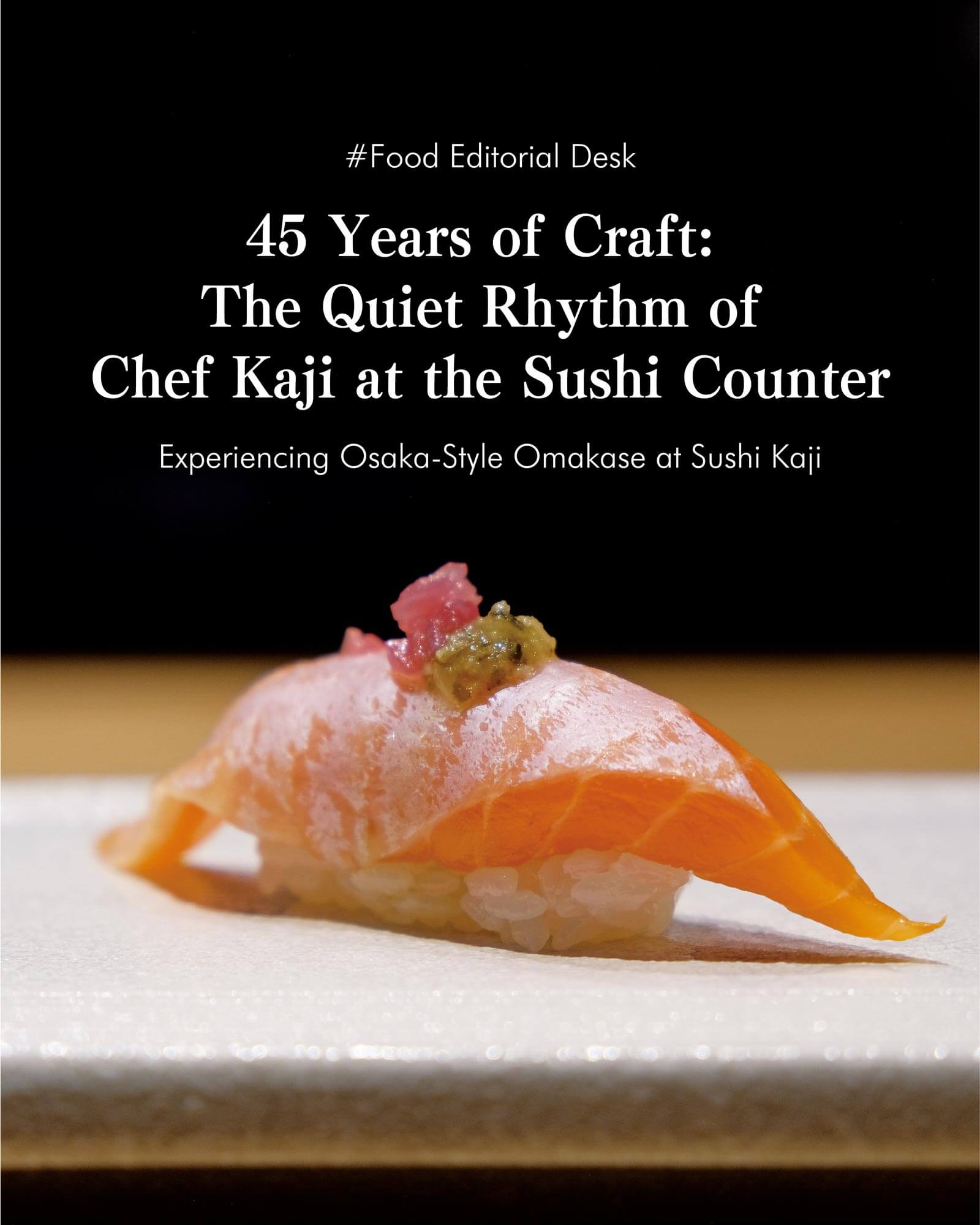
 Heading west from downtown Toronto, along The Queensway in Etobicoke, a noren curtain glows softly above the entrance to Sushi Kaji. The restaurant is well known as a place where reservations are essential.
In December, it was nearly impossible to secure a seat. January has been no different, with the restaurant fully booked almost every night. Many guests are regulars.
Inside, the dining room seats about 30 people. The menu centers on omakase, offered in two seatings, at 6:00 p.m.and 8:15 p.m.
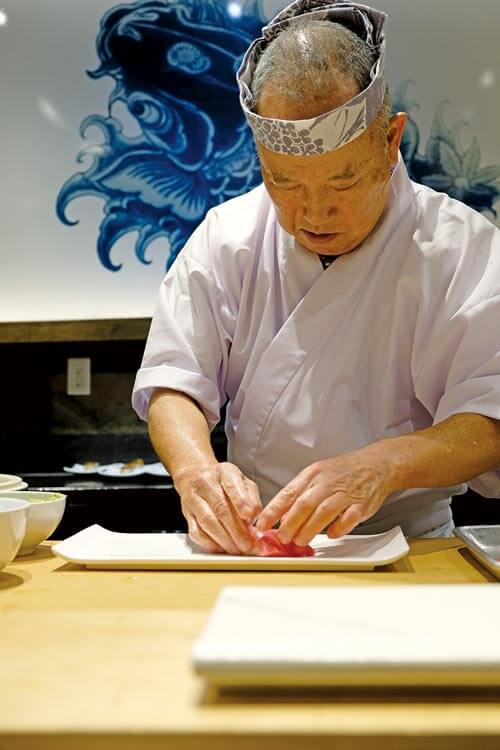 Owner and chef Kaji entered the world of sushi in his teens. After training at well-known restaurants across Japan, he moved to Canada in the 1990s. In Toronto, he helped launch several sushi bars and Japanese restaurants before opening Sushi Kaji in Etobicoke in 2000.
His career in Toronto now spans more than 45 years. That time represents more than personal experience.
Chef Kaji has witnessed—and helped guide—the development of sushi culture in Canada from the front lines.
Osaka Style: Gentle Sweetness of Rice, Layered Toppings, and Deep Soy Sauce
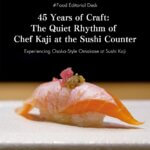
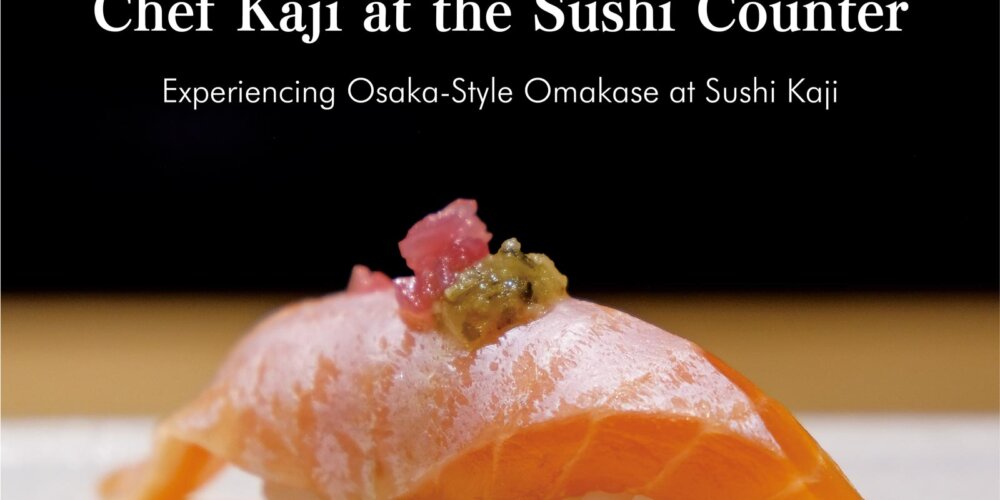
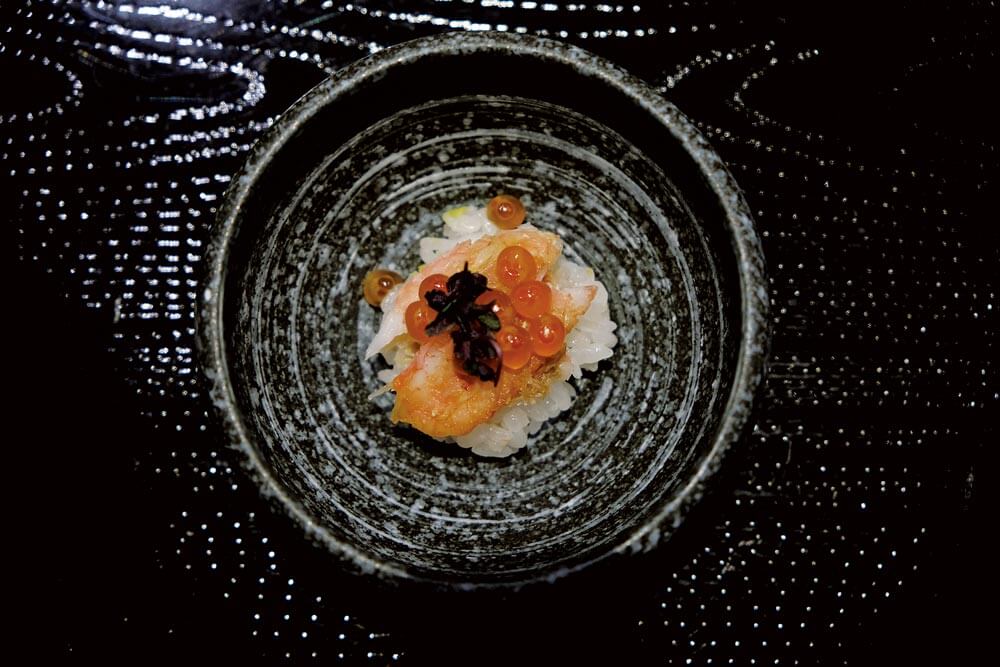 At the heart of Sushi Kaji is Osaka-style nigiri.
If Edomae sushi is known for the sharp character of red-vinegar rice, Osaka sushi is defined by the gentle sweetness of its rice. Chef Kaji’s nigiri reflects this balance beautifully. The sweetness is elegant and restrained. The texture is soft on the palate, and the finish lingers quietly. Each piece leaves behind a sense of the round, mellow character that Osaka sushi is known for.
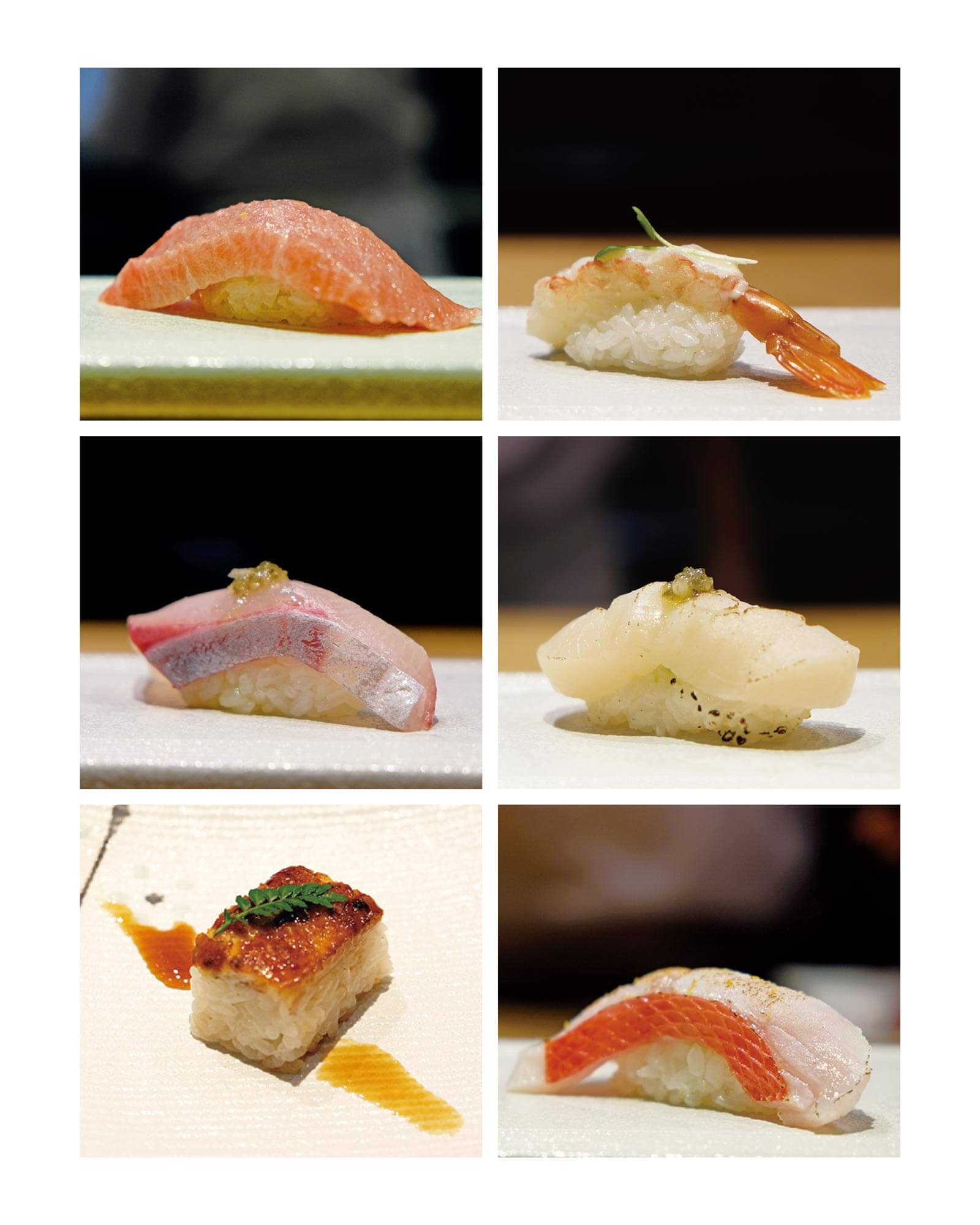 Another key element is the original sauces and garnishes placed on top of the fish. These small touches bring out aroma and guide the final note of each bite. Layered with this is the influence of western Japan: a rich, rounded soy sauce. Sweetness, aroma, and saltiness never clash. Instead, they come together calmly and leave a long, gentle finish.
The seafood highlights seasonal fish from Japan. Striped jack and golden eye snapper appear alongside amberjack from Ehime and squid from Hokkaido. The restaurant’s signature octopus from Morocco is prepared until tender, releasing deep flavor with every bite. Spot prawns from Vancouver are served in a piece that fully draws out their sweetness and umami.
On this visit, Spanish tuna was also outstanding. The lean akami was moist and refined, while the medium-fatty chutoro spread a rich depth of flavor across the palate.
The Rhythm of Craft at the Counter
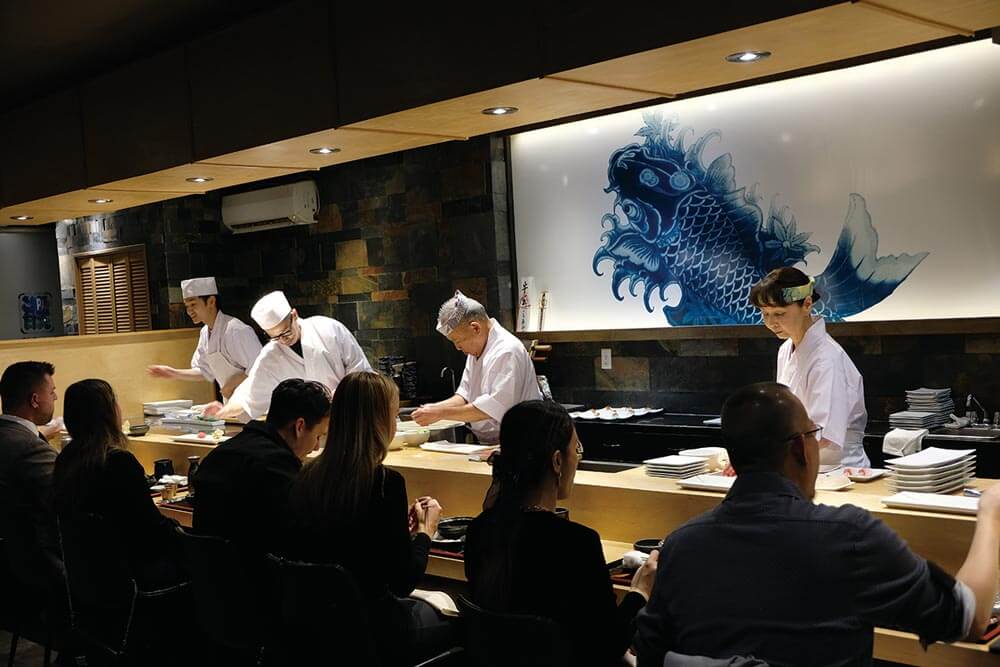 If possible, sit at the counter.
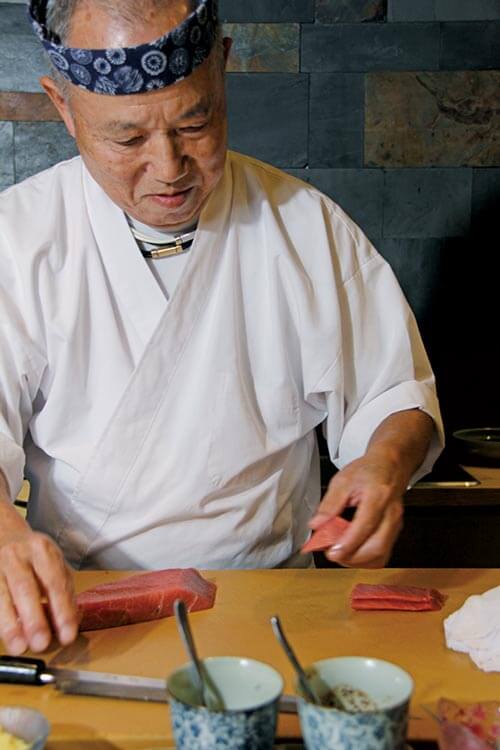
There is a simple reason: watching Chef Kaji work is mesmerizing.
He places the fish, adds the rice, and shapes the piece in one continuous motion.
The movements flow naturally, yet there is never a sense of rushing. The pressure from his fingertips is gentle, just enough to hold the sushi together while leaving space for it to loosen when eaten.
It feels almost like a quiet dance. Watching the process, anticipation builds even before the sushi reaches your plate.
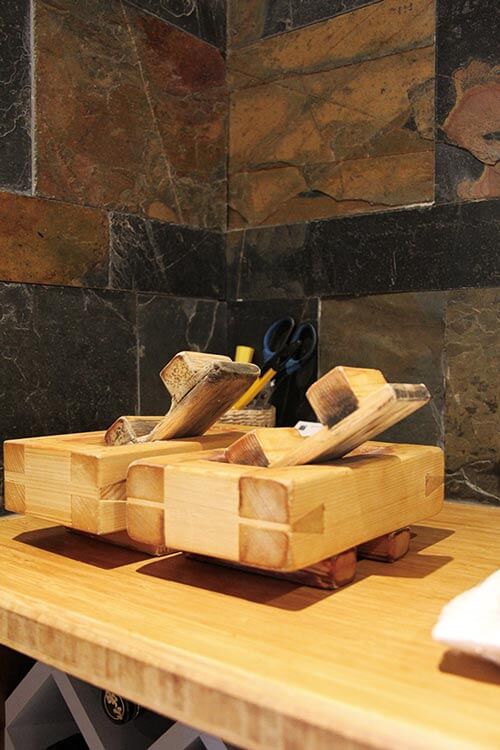
One of the clearest expressions of Osaka tradition appears in the pressed eel sushi.
In Osaka, this style of sushi—known as hako-zushi—is made by layering grilled eel and vinegared rice inside a square wooden mold.
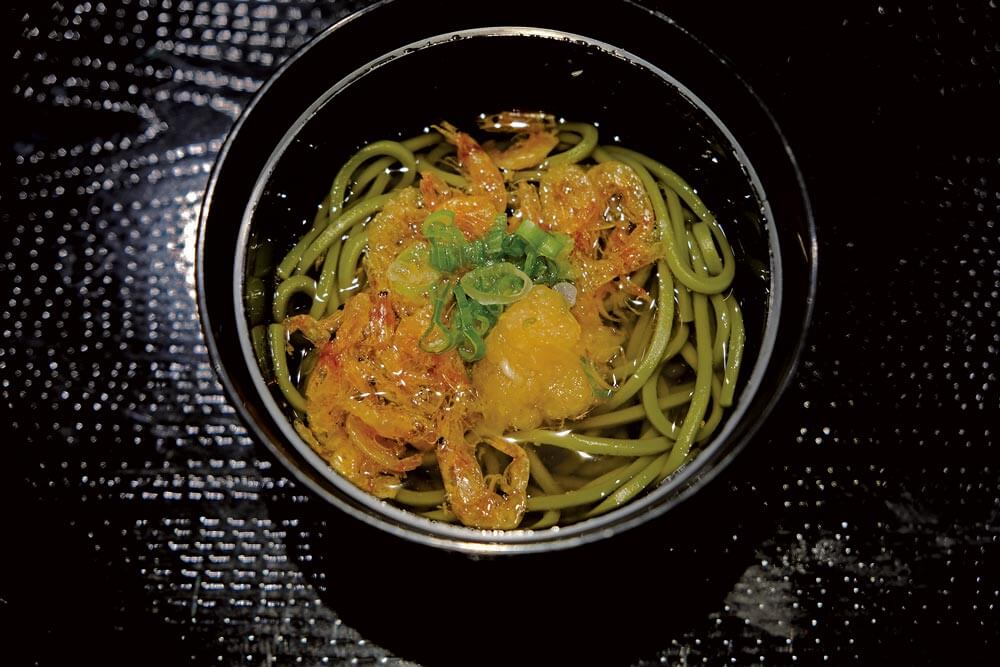 Chef Kaji places the ingredients carefully into the wooden frame, presses with confidence, and removes the mold in one smooth motion.
The rhythm continues as the sushi is sliced into neat portions. The craftsman’s timing becomes the shape of each piece.
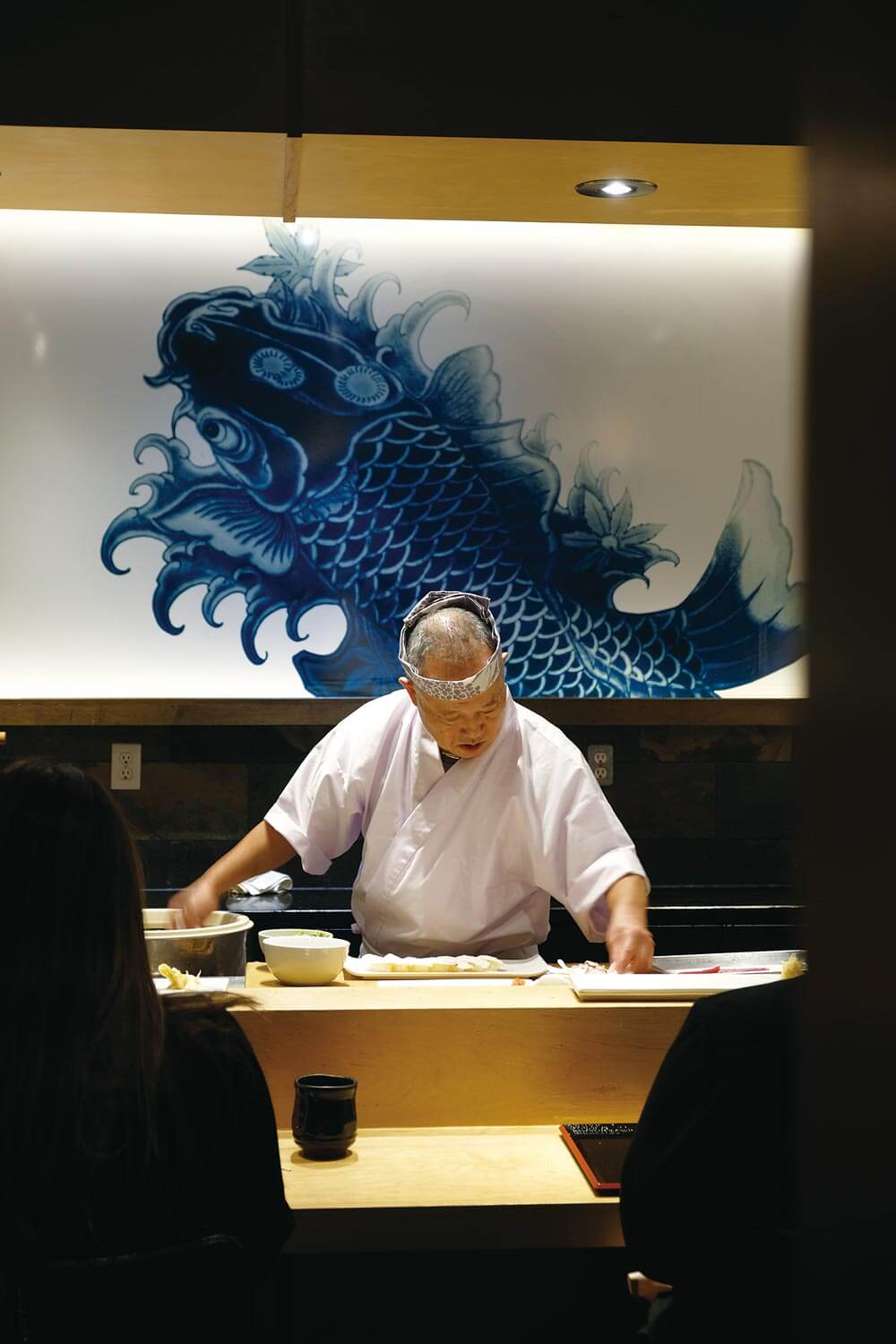
Handling the wooden box looks effortless, and the beauty of the handwork unfolding before you becomes part of the flavor memory itself.
Beyond Nigiri: Dishes That Frame the Meal
This evening’s omakase offered memorable moments both before and after the sushi.
Before the nigiri begins, a small dish quietly prepares the palate: chawanmushi. The custard draws out the delicate flavor of eggs with great care. Made simply with egg, milk, and salt, the texture melts softly in the mouth. A sauce rich with dashi adds depth to the flavor, while plump shrimp bring a pleasant texture.
The lingering taste of egg and the refined sauce gently prepare the palate for the sushi to come.
It is a chawanmushi that stays in the memory—one that makes you want to begin the meal with just one more bite.
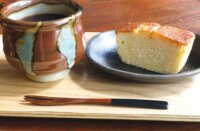
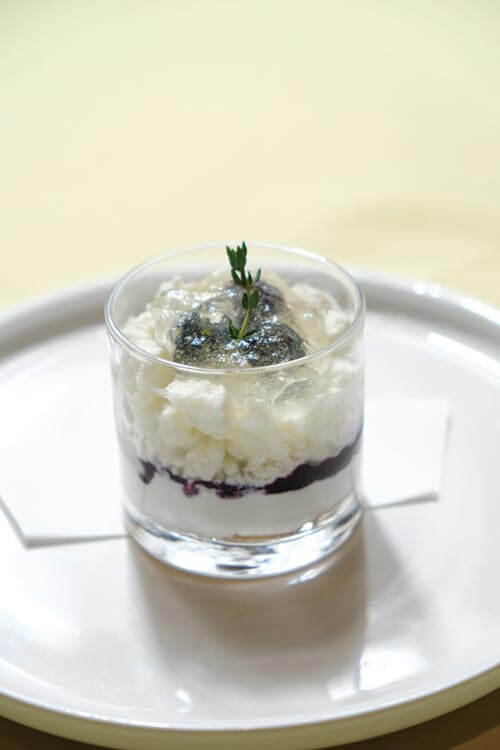
The meal ends with a house-made dessert. Smooth frozen yogurt is paired with a refreshing lemon jelly and topped with fresh blueberries. The balance of sweetness and acidity quietly receives the lingering flavors of the sushi and leaves a clean finish to the meal.
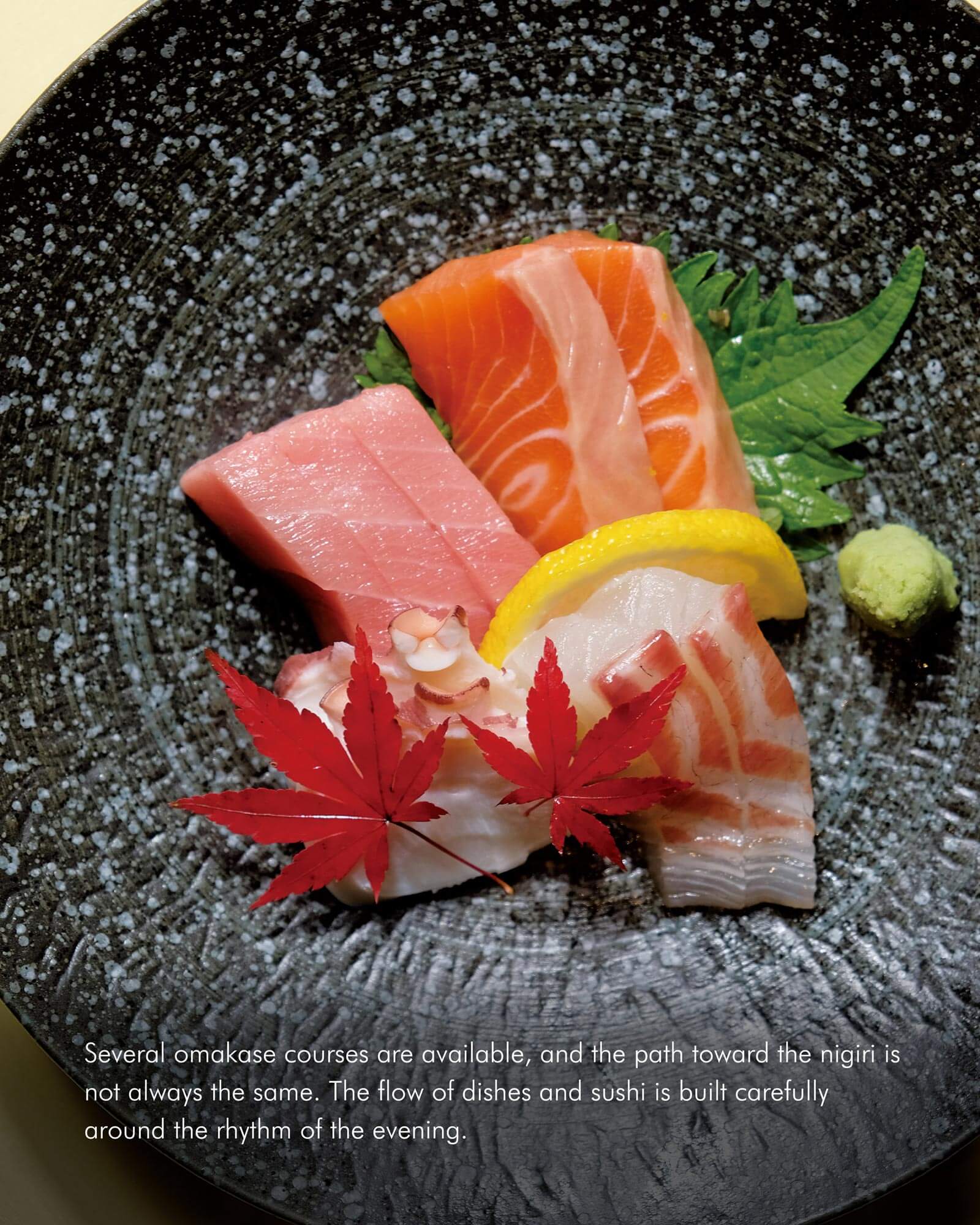 Several omakase courses are available, and the path toward the nigiri is not always the same.
The flow of dishes and sushi is built carefully around the rhythm of the evening.
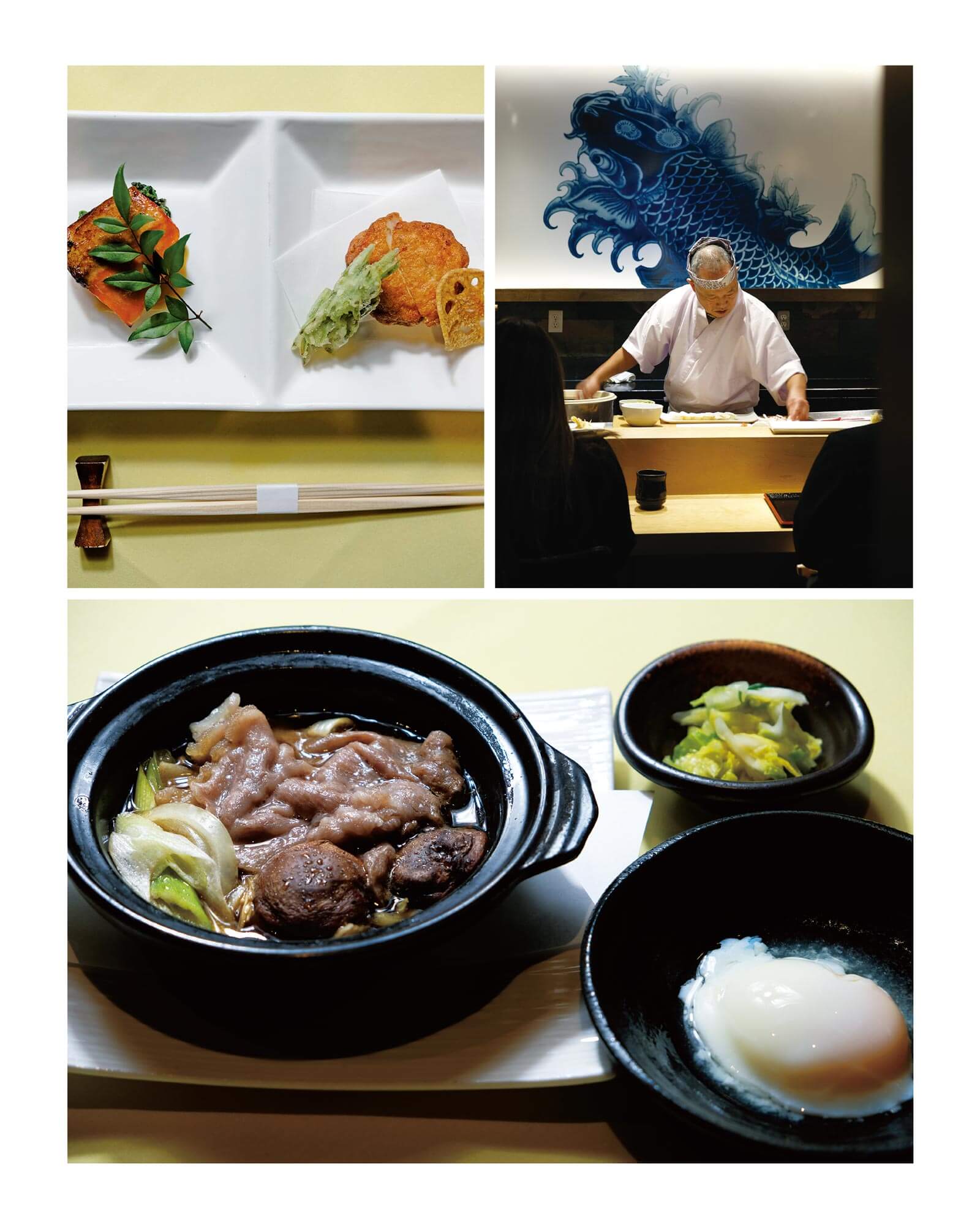
Among them, Kagoshima wagyu sukiyaki has long been one of the restaurant’s most popular specialties.
The aroma of the sweet soy broth rises gently as the beef cooks, and the fat slowly melts to reveal its natural sweetness.
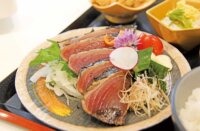
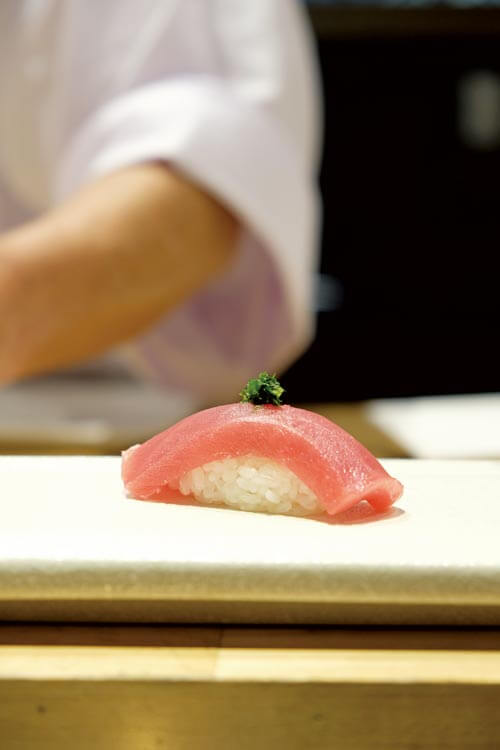 The sashimi is also remarkable. It goes beyond simply being fresh. The precision of the knife and the thickness of each slice are exact. When you take a bite, the resistance disappears the moment your teeth touch the fish. The flesh folds softly on the tongue, releasing its umami in a quiet, unfolding way.
Another notable detail is that the fish never feels overly cold. The texture remains smooth and round, without sharp edges.As you chew, the flavor deepens and spreads, leaving only a clean, lingering finish.
Here, sashimi is not just an appetizer—it stands as a complete dish.
A Different Kind of Omakase
Over the past decade, many restaurants have begun offering “omakase.” Most follow the Edomae tradition, or something close to it.
Chef Kaji’s sushi, however, is something entirely different.
Viewed within the wider context of Japanese culinary culture and regional traditions, his omakase reflects Osaka sushi’s distinct character: a round, gentle progression of flavors, supported by the rich and mellow soy sauce typical of western Japan. The rice and fish merge seamlessly.
Above all, the quiet time created by Chef Kaji’s movements shapes the rhythm of the entire course.
It is an evening that many people should experience for themselves.